Introduction
Alfalfa is more than just livestock feed—it's a high-impact, sustainable crop that supports food systems, improves soil health, and generates long-term value. For humanitarian organizations like Umma Foundation, alfalfa farming offers a reliable, eco-friendly solution for powering aid programs and strengthening communities.
What Is Alfalfa and Why It Matters
Alfalfa (Medicago sativa) is a deep-rooted legume packed with protein, vitamins, and minerals. Commonly used as animal feed, it's also a soil-replenishing crop known for nitrogen fixation, which improves future harvests without synthetic fertilizers.
Key Benefits:
- High Protein Content – Alfalfa is rich in plant protein (up to 18-20% dry matter), essential for feeding livestock efficiently.
→ Alfalfa for Beef Cattle – Oregon State University Extension - Drought Tolerance – Its deep roots allow resilience in arid climates like Yemen or Sudan.
- Soil Regeneration – Improves soil structure and fertility naturally.
These features make alfalfa ideal for regions affected by food insecurity, where durable solutions are critical.
Alfalfa and Umma Foundation’s Sustainable Vision
At Umma Farm, alfalfa is one of the crops driving our long-term strategy to fund aid pillars like:
- Bread Distribution – Revenue from alfalfa supports daily food programs in Sudan and Yemen.
- Medical Aid – Profits help sustain surgeries and treatments for vulnerable children.
- Water and Education Access – Supports infrastructure like wells and school supplies.
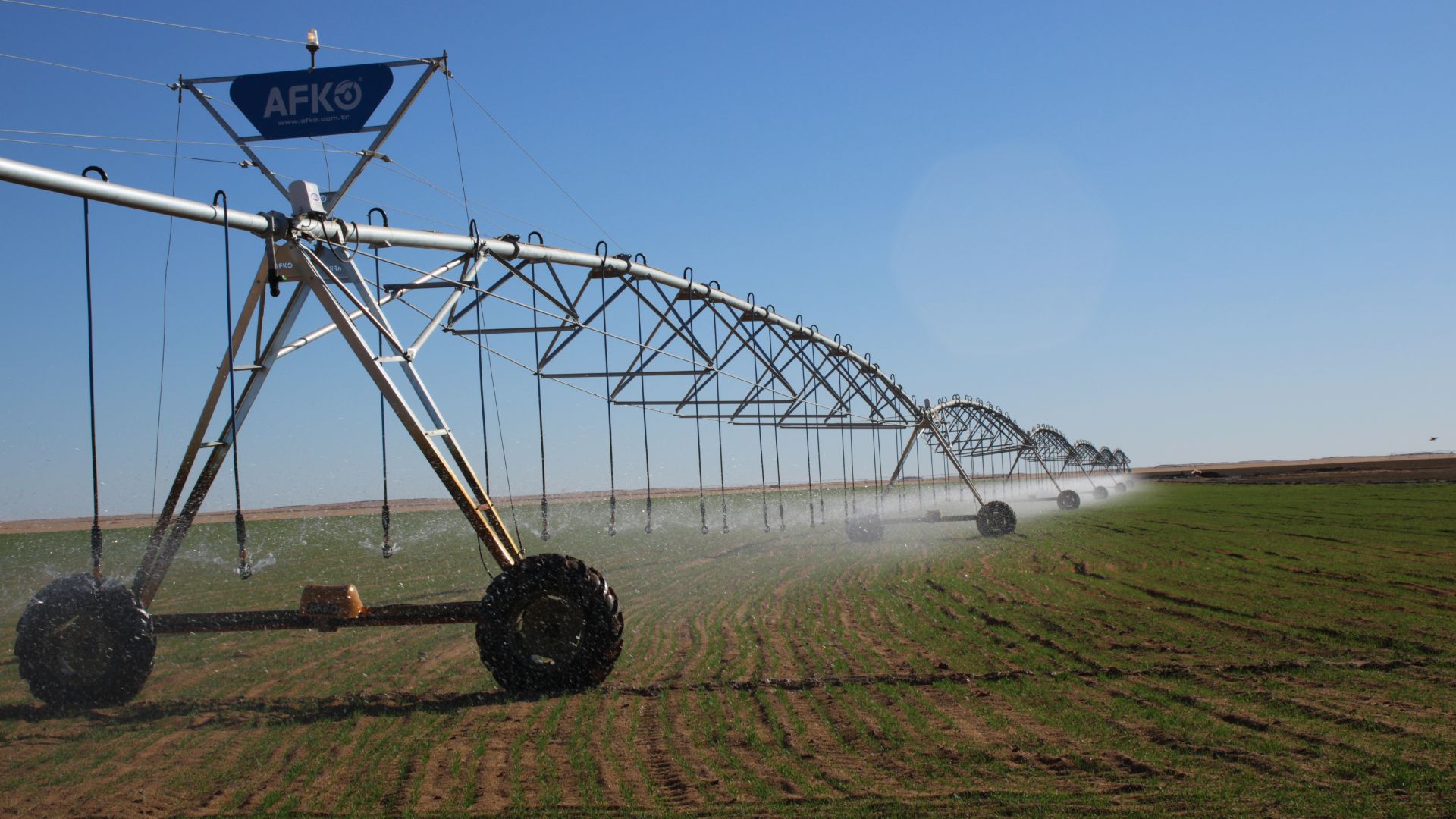
By planting over 500 acres—including alfalfa—we’ve created a scalable, regenerative model of aid.
Livestock Feed and Food Security
Alfalfa’s primary use is as feed for livestock like goats, sheep, cows, and poultry. This helps communities:
- Raise healthier animals with better milk and meat yields
- Lower feed costs by using a reliable local supply
- Build local economies through sustainable agriculture
→ Alfalfa Feed Value for Livestock – Oregon State University Extension
By supporting farming initiatives that grow alfalfa, donors directly improve food systems and resilience.
Global Relevance and Eco Impact
Environmental Benefits:
- Carbon Sequestration – Deep roots store carbon in the soil.
- Pollinator Friendly – Supports bees and biodiversity.
- Water Retention – Helps retain moisture in drought-prone soils.
Alfalfa plays a key role in regenerative agriculture strategies around the world:→ FAO: Climate-Smart Agriculture with Forage Crops
Why It Matters to Donors
Your support of alfalfa farming goes beyond crops—it fuels Umma’s mission to:
- Create sustainable aid systems
- Generate ongoing local income
- Reduce dependency on short-term emergency relief
It’s a form of Sadaqah Jariyah: giving that keeps on giving.
Final Thoughts
In a world where humanitarian needs are rising and resources are stretched, alfalfa is a smart, underutilized tool. At Umma Foundation, it allows us to build sustainable impact from the ground up—literally.
Whether you're passionate about food security, the environment, or long-term giving, supporting alfalfa farming helps achieve lasting change.
Get involved and grow impact with us today.→ ummafoundation.org/farm